


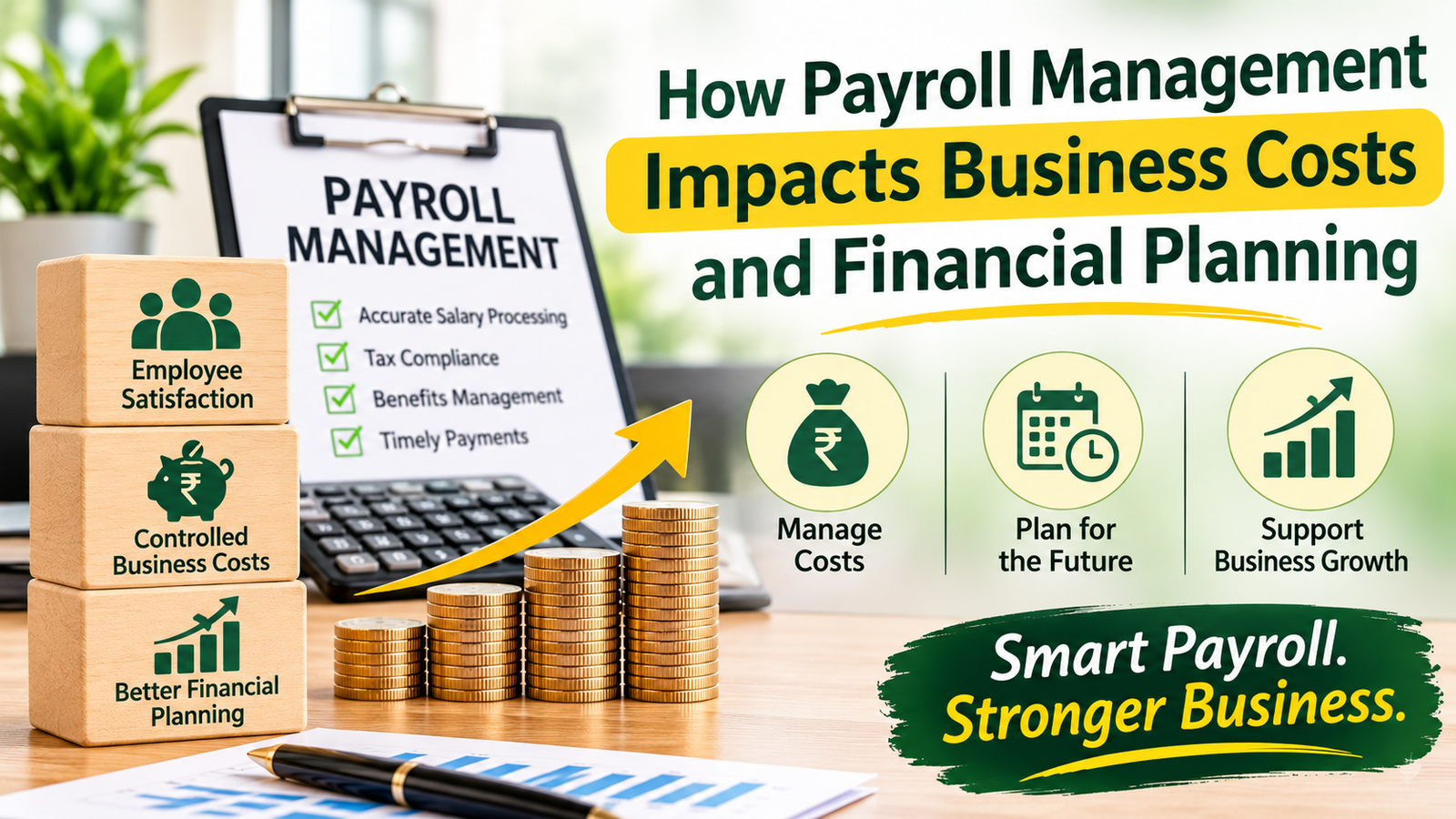
Payroll is often treated as a routine monthly task. In practice, it is one of the most important links between workforce decisions, cash flow, compliance, and financial planning.
Payroll management affects more than the amount transferred to employees. It determines how accurately a business understands employment costs, whether it can fund obligations on time, and how confidently it can plan for growth.
For Singapore businesses, this includes salaries, bonuses, allowances, employer contributions, levies, leave adjustments, and the reporting information that supports financial records.
Understand the Full Cost of Employment
A salary figure alone does not represent the full cost of employing someone.
Build a fully loaded employment cost view that includes:
- Basic salary and approved allowances
- Bonuses, commissions, and variable incentives
- Overtime and additional hours
- Employer CPF contributions, where applicable
- Skills Development Levy
- Benefits and insurance costs
- Recruitment and onboarding costs
- Training and development expenditure
- Payroll software or service fees
Payroll cost management means measuring, forecasting, and controlling everything a business spends on people—including employer contributions, benefits, bonuses, overtime, and contractor costs.
Use this information when assessing a new role, reviewing pricing, or planning expansion. A hiring decision based only on gross salary may understate the real impact on profitability.
Connect Payroll With Cash Flow
Payroll creates predictable payment obligations, but the amounts are not always fixed. Bonuses, commissions, overtime, leave adjustments, and statutory contributions can change from month to month.
Financial planning should therefore include:
- Regular salary payments
- Employer contributions and levies
- Variable payments
- Benefits and deductions
- Expected new hires
- Approved salary revisions
- Seasonal staffing changes
- Statutory deadlines
Payroll-related expenses are among the largest operating costs for many businesses, making them central to budgeting, forecasting, and cash-flow management.
Build a payroll cash-flow calendar that identifies:
- When payroll inputs must be approved.
- When salaries and statutory payments are due.
- When funds must be available.
- Which approvals are required before payment.
- What evidence confirms completion.
Do not treat a prepared payroll report as evidence that payment has been completed. Assign responsibility for payment authorisation, transaction confirmation, and exception resolution.
Use Payroll Data for Better Decisions
Accurate payroll data gives management a clearer view of how employment costs are changing.
Useful management views include:
- Employee-level cost by department or cost centre
- Month-on-month changes in payroll expenditure
- Payroll as a percentage of revenue
- Overtime and variable-pay trends
- New hires, departures, and approved salary revisions
- Employer costs versus employee take-home pay
- Actual costs against budget
Finance teams can use workforce and payroll data to monitor labour costs across departments and locations, compare actual results with forecasts, and support forward-looking decisions.
For example, a higher payroll total may reflect new hires, approved bonuses, overtime, or a salary revision. Management needs to distinguish those causes before deciding whether any action is required.
Improve Budgeting and Forecasting
A payroll budget should reflect the business’s operating plan, not simply repeat last year’s figures.
When preparing a budget, include:
- Approved headcount by department
- Planned salary revisions
- Expected recruitment and replacement costs
- Variable-pay assumptions
- Employer contribution and levy estimates
- Benefit renewals and expected changes
- Payroll service or software fees
- Contingency for unplanned overtime or temporary staffing
Payroll data should inform budgets, hiring plans, pricing discussions, and growth decisions.
Review the budget monthly rather than waiting for year-end. Compare actual expenditure with forecast, investigate differences, and update assumptions where necessary.
Reduce Avoidable Payroll Costs
Cost control does not mean cutting every benefit. It means identifying waste, duplication, and avoidable errors.
1. Standardise payroll inputs
Use one approved channel for new hires, departures, salary revisions, overtime, and leave adjustments. Include the employee, effective period, approver, and supporting information.
2. Review exceptions before approval
Investigate unusual deductions, duplicate entries, missing salary, and unexplained allowances. A reasonable overall total does not prove that every individual payment is correct.
3. Reconcile payroll with finance
Compare payroll outputs with accounting records, bank payments, and approved budgets. Investigate differences rather than forcing totals to match.
4. Review variable pay regularly
Overtime, commissions, and bonuses can grow quickly if approval controls are weak. Track trends and identify the underlying cause before approving further expenditure.
5. Assess provider value
When comparing payroll outsourcing services, assess the complete cost—not just the monthly fee. Include setup, migration, additional runs, corrections, reporting, and annual filing support.
Balance Cost Control With Employee Trust
Payroll accuracy affects more than financial reporting. Late or incorrect payments can damage employee trust and create additional administrative work.
Itemised payslips help employees understand their salary components and provide documentation that supports the resolution of salary disputes.
Maintain clear records of approved changes, payment instructions, and payroll outputs. This makes it easier to answer employee queries and correct the underlying process when an error occurs.
The strongest payroll process is not the cheapest one. It is the one that gives management reliable information, protects cash flow, and supports confident financial planning.
Disclaimer: This article provides general information only and does not constitute legal, tax, accounting, HR, or employment advice. Verify current requirements and seek professional guidance for your circumstances.